Four radical thinkers. Seven films. One urgent moment.
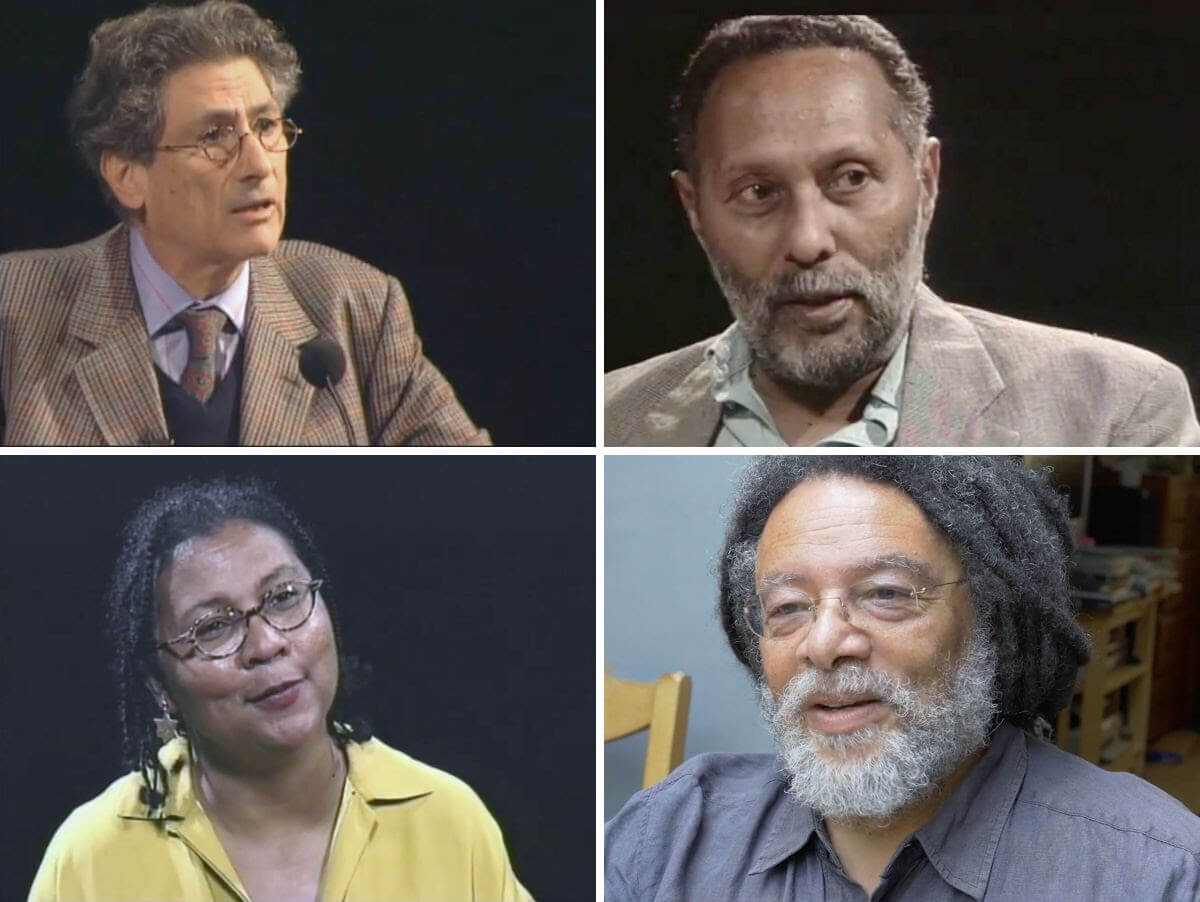
FOUR THINKERS.
FOUR RADICAL VISIONS OF POWER.
Edward Said, Stuart Hall, bell hooks, and Paul Gilroy helped revolutionize thinking about culture, identity, and power. Working from different perspectives, they challenged widely held assumptions about difference and belonging, asking how these beliefs take hold, whose interests they serve, and what they leave out.
Said exposed how Western scholarship, literature, and media portrayed Arabs and Muslims in ways that helped justify imperial domination. Hall examined how media and popular culture shape racial identities, political attitudes, and the assumptions that sustain existing power structures. hooks brought Black feminist perspectives to popular culture, exposing how everyday entertainment can reinforce racism, sexism, and class inequality and inviting audiences to question the messages they take for granted. And Gilroy has traced the movement of people, ideas, and music across the Atlantic, showing how slavery, diaspora, and Black cultural creativity were central to the making of the modern world beyond national boundaries.
The work of all four of these transformative thinkers carries special resonance now as powerful interests stoke nationalism, justify imperial aggression, censor history, silence dissent, and police what can be taught in the classroom.
In the seven MEF films below, these seminal scholars explain and explore their key ideas, offering students insight into how dominant narratives shape our understanding of the world, reinforce existing power structures, and create opportunities for resistance and change.
All of these titles are available on our new streaming platform in multiple formats. They’re also available as part of MEF’s Premium Collection, which offers flexible subscription and permanent-access licensing options. To learn more about the Premium Collection, contact Stephen Belcourt at [email protected].
FEATURED MEF FILMS
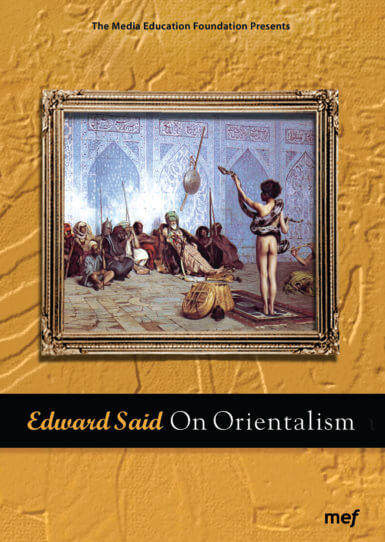
EDWARD SAID: ON ORIENTALISM
Edward Said reveals how Western media, scholarship, and literature have constructed distorted images of Arabs and Muslims, helping to legitimize imperial domination while shaping how the West understands and responds to the Middle East.
LEARN MORE
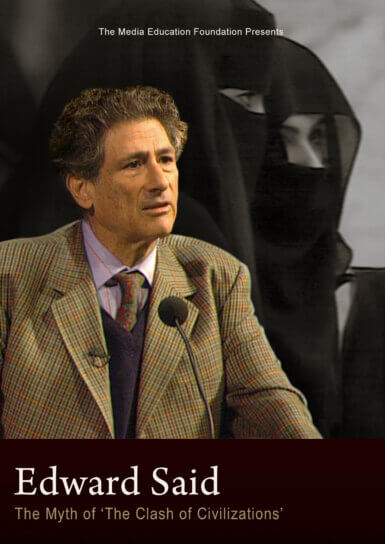
EDWARD SAID: THE MYTH OF THE CLASH OF CIVILIZATIONS
This immersive inside account of the 2024 Gaza solidarity encampments at Columbia University captures a defining flashpoint over protest, policing, media framing, and whose voices count in public debate.
LEARN MORE
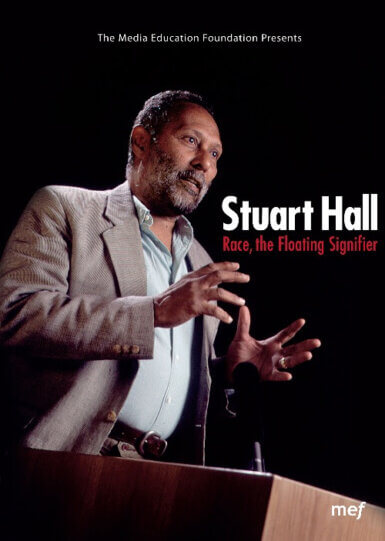
STUART HALL: RACE, THE FLOATING SIGNIFIER
Stuart Hall challenges biological explanations of race, showing how societies assign meaning to physical differences and use those meanings to construct racial identities, reinforce inequality, and sustain relations of power.
LEARN MORE
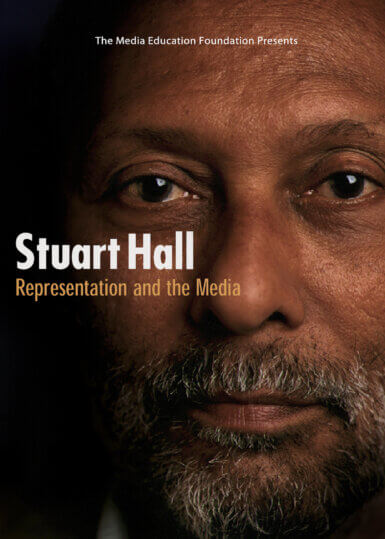
STUART HALL: REPRESENTATION & THE MEDIA
George Monbiot exposes the largely unnamed ideology of neoliberalism and traces how market logic came to dominate politics, media, and everyday life while concentrating wealth and power in fewer and fewer hands.
LEARN MORE

BELL HOOKS: CULTURAL CRITICISM & TRANSFORMATION
Jackson Katz examines how dominant ideas about manhood help perpetuate gender violence, showing how media narratives and male peer cultures can normalize sexism and misogyny while fueling silence in the face of men’s abusive behavior.
LEARN MORE
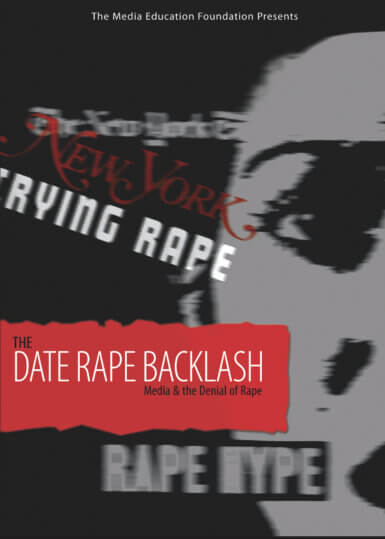
THE DATE RAPE BACKLASH
TThis revealing time capsule from the 1990s features bell hooks, Susan Faludi, and others exposing how mainstream media turned growing awareness of sexual assault into a backlash against feminism — a striking case study in media manipulation.
LEARN MORE
THE BLACK ATLANTIC
This extraordinary behind-the-scenes account of The Day After, the 1983 TV movie that forced millions of Americans to confront nuclear war, shows how mass media can break through denial, disrupt official narratives, and change public debate.
LEARN MORE