Who gets to tell the story of Gaza?
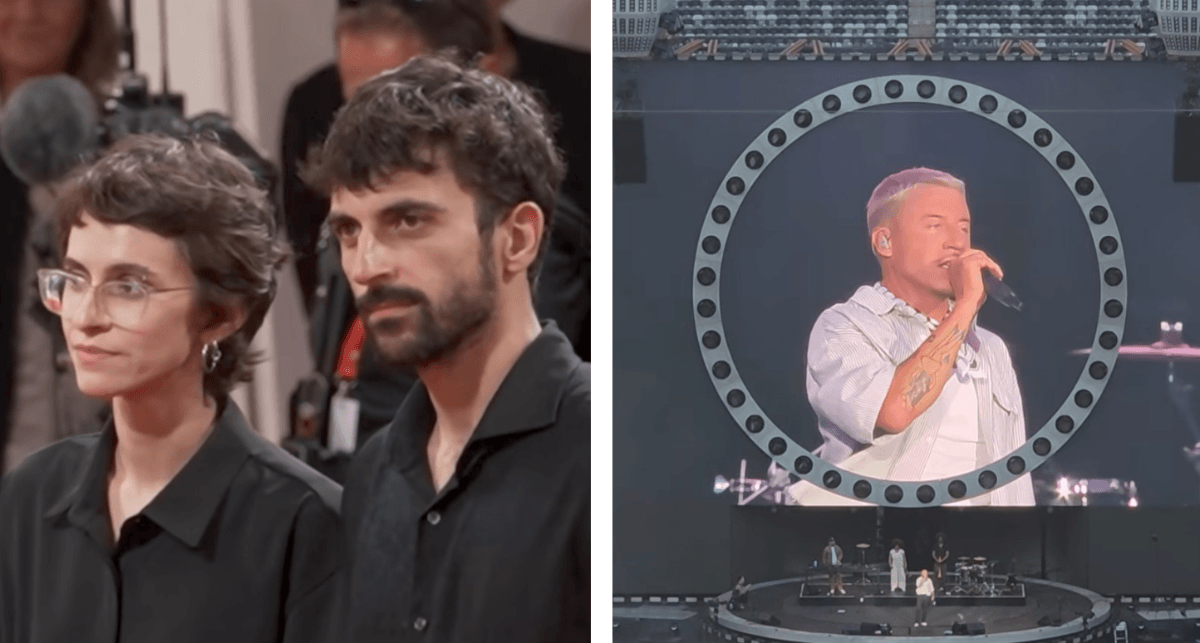
Screenshot, on left: NAZA directors Yuval Abraham and Rachel Szor at the Venice International Film Festival, Sept. 10, 2026. On right: Macklemore speaks during his performance at MetLife Stadium, Sept. 5, 2026.
WHO GETS TO TELL THE STORY OF GAZA?
“Two stories, one in Israel and one in the United States, raise the same basic question: What happens when people challenge dominant narratives about Israel and Palestine?”
Within days of each other, thousands of miles apart, two firestorms have erupted over what can be said about Gaza.
In Israel, the documentary NAZA went from a 25-minute standing ovation and the Special Jury Prize at the Venice International Film Festival to threats against the Israeli filmmakers who made it. In the United States, the rapper Macklemore went from opening for Ed Sheeran to being dropped from Sheeran’s U.S. tour after being accused of antisemitism.
In both cases, the response to speaking out about Gaza moved quickly from disagreement to vilification and punishment.
NAZA draws on first-hand testimony from 24 Israeli soldiers and intelligence officers, accounts that led the directors to conclude that Israel’s mass killing of civilians in Gaza was “not a ‘tragic byproduct’ of a war against Hamas, as it is commonly portrayed in Israel, but a premeditated, calculated, and intentional act.” Israeli officials rushed to denounce the film, though none of them had seen it. Culture Minister Miki Zohar called directors Yuval Abraham and Rachel Szor “despicable,” accused them of “treason against the state,” and threatened to strip them of their citizenship. Prime Minister Benjamin Netanyahu called the film “shocking” and part of “global antisemitic incitement.” Israel’s military chief ordered an investigation to identify the soldiers who spoke out in the film. Even centrist opposition leader Gadi Eisenkot accused the filmmakers of “moral blindness.”
Back in the U.S., Macklemore’s troubles began at MetLife Stadium in New Jersey, where he shouted “Free Palestine,” performed his protest song “Hind’s Hall,” showed footage from Gaza, and told Jewish fans that being “against genocide in no way is a criticism of you.” New England Patriots owner Robert Kraft, an outspoken supporter of Israel, then barred him from upcoming shows at Gillette Stadium, citing what he called antisemitic rhetoric. Other stadiums said they would pull their shows if Macklemore stayed on the bill, and he was removed from the tour. Every other opening act quit in protest.
Both stories follow a pattern Palestinian American scholar Edward Said described more than four decades ago in his essay “Permission to Narrate.” Said argued that politicians, the media, and liberal intellectuals in Israel and across much of the West, especially in the United States, made Israel’s account of the conflict the dominant one while pushing Palestinian history and testimony to the margins. Those who challenged that narrative, Palestinian or not, were themselves marginalized, vilified, or punished. The result was that Palestinian suffering could appear on the evening news and still be stripped of the history and context needed to understand it. Palestinians could be seen, even pitied, but not understood on their own terms.
MEF has been documenting this pattern for decades, in films ranging from our early collaborations with Edward Said to our recent release The Encampments, which Macklemore executive produced. You can read more about these and other related titles below. Together, they show how Palestinian and pro-Palestinian voices have been silenced for decades, how official Israeli narratives and U.S. support for Israel have shaped American news and entertainment media, and how supporters of Palestinian rights have been routinely cast as antisemites, anti-American extremists, or terrorist sympathizers. Use these films in your classes to give students the history behind these fights.
Featured MEF Films
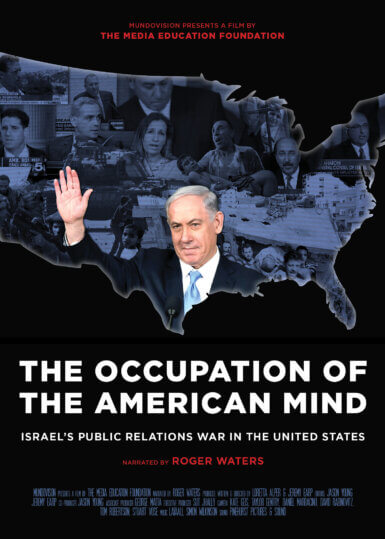
The Occupation of the American Mind (2016)
A powerful investigation of Israeli and U.S. public relations strategy, U.S. media complicity, and the campaign to win American public opinion while obscuring the realities of Israel’s brutal, decades-long occupation of Palestinian land.
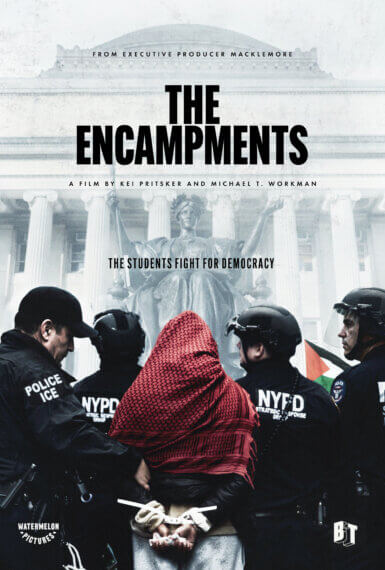
The Encampments (2025)
A timely, immersive look at the student protest movement for Gaza, and how media, political, and university leaders recast demands for Palestinian freedom and U.S. divestment from genocide as disorder, extremism, and threat.
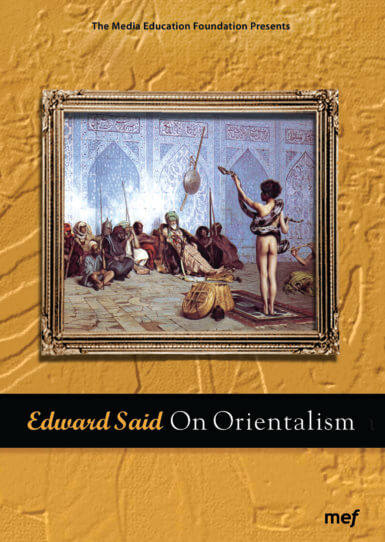
Edward Said: On Orientalism (1998)
Edward Said’s classic analysis of how Western representations of Arabs and Muslims have dehumanized entire peoples and helped justify domination, exclusion, and violence.
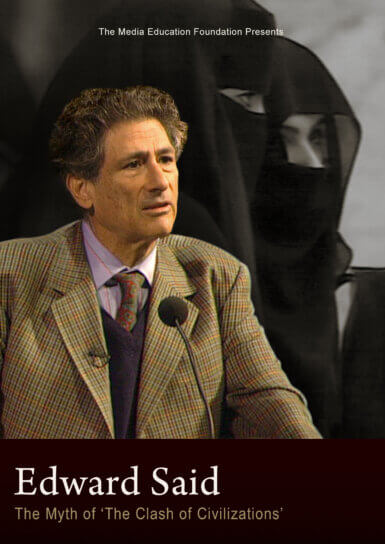
Edward Said: The Myth of the Clash of Civilizations (1998)
Edward Said dismantles the idea that global conflict is rooted in clashing “civilizations,” showing how sweeping cultural stereotypes about Arabs, Muslims, and the West have paved the way for confrontation, hostility, and war.
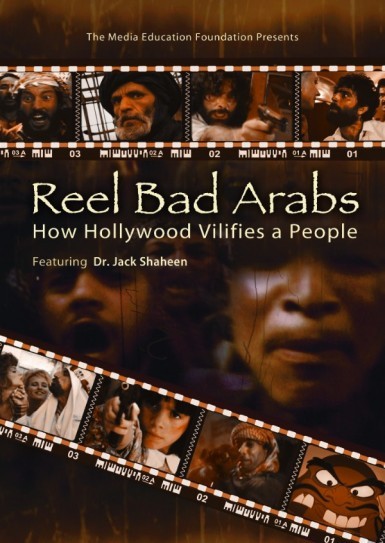
Reel Bad Arabs (2006)
Jack Shaheen’s landmark study of Hollywood’s long history of dehumanizing Arab and Muslim people, and how these images have helped prepare the ground for U.S. and Israeli wars in the Middle East.
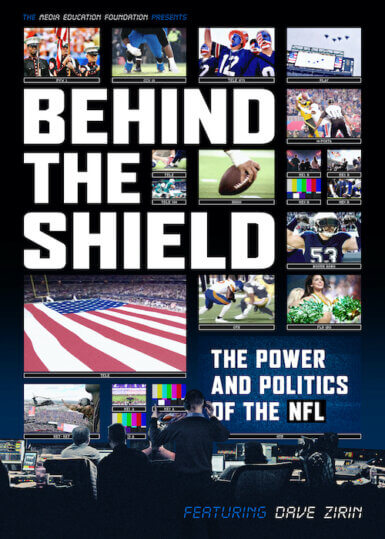
Behind the Shield: The Power & Politics of American Sports (2022)