The Fear is the Point
THE FEAR IS THE POINT
Eight films to explore how the weaponization of Islamophobia fuels hatred and violence, obscures far-right antisemitism, and suppresses political dissent.
As the midterms enter their final stretch, anti-Muslim and anti-Arab rhetoric once associated with the far-right fringes has moved into the mainstream of American politics, with elected officials, political candidates, and media commentators openly trafficking in racist and dehumanizing attacks.
In Michigan, Senate candidate Abdul El-Sayed, who is Muslim, has faced a barrage of Islamophobic attacks and accusations of antisemitism from political leaders in both parties. Donald Trump has smeared El-Sayed as a “Muslim Brotherhood Jihadist who hates Jews and Blacks and AMERICANS,” while other Republicans have baselessly linked him to terrorism and accused him of wanting to impose Sharia law on America. And just this week, at a campaign rally for El-Sayed’s Republican opponent, Health Secretary Robert F. Kennedy Jr. launched a “wildly racist tirade” against the world’s roughly 500 million Arabs, falsely claiming that they “don’t produce science,” “don’t win the Nobel Prize,” and “don’t produce literature,” while blaming the Muslim Brotherhood for creating societies consumed by “hatred and war and victimization.”
At the same time, powerful establishment Democrats have questioned El Sayed’s attitudes toward Jews, accused him of scapegoating Jewish Americans, and suggested that his criticism of Israel and political associations amount to antisemitism, reinforcing a climate in which Muslim candidates must continually prove their loyalty to America and defend themselves against accusations of extremism.
These attacks reflect a broader politics of fear that extends well beyond U.S. elections. The same dehumanizing Islamophobic narratives have been used to justify Israeli crimes against Palestinians in Gaza and the West Bank and to portray renewed U.S. and Israeli military action against Iran as a defense of enlightened Western civilization against barbaric Muslim enemies.
We’ve also seen this broader politics of fear play out on American college campuses, where accusations of antisemitism have been weaponized against critics of Israel and U.S. foreign policy. In August, a former Justice Department attorney blew the whistle on the Trump administration’s campus antisemitism investigations, alleging that officials pressured investigators to pursue punitive action against universities without sufficient evidence of civil-rights violations.
Similarly, a separate two-year investigation by the ACLU and Amnesty International documented how university administrators “violated basic free speech, association, and assembly rights and caused serious harm” when they restricted protests, summoned police who used unlawful force, and suspended and expelled students. The report also found that the actions taken by universities “made it easier for the Trump administration to crack down on student activism” and to wage a “widespread, McCarthyite censorship and retaliation campaign” against pro-Palestinian advocates, concluding that the administration “abused civil rights laws to suppress criticism of Israel.”
Yet even as the Trump administration has clamped down on critics of Israel in the name of combating antisemitism, it’s also helped legitimize and even glamorize imagery and messaging associated with deeply antisemitic white-nationalist movements. That contradiction is especially striking in light of a September federal report that cited research showing that antisemitic attitudes are “far more prevalent on the right, particularly on the young far right, and an investigation by the Global Project Against Hate and Extremism documenting how the same far-right extremist movements that target Jews also target Muslims and other marginalized communities with hatred, threats, and violence.
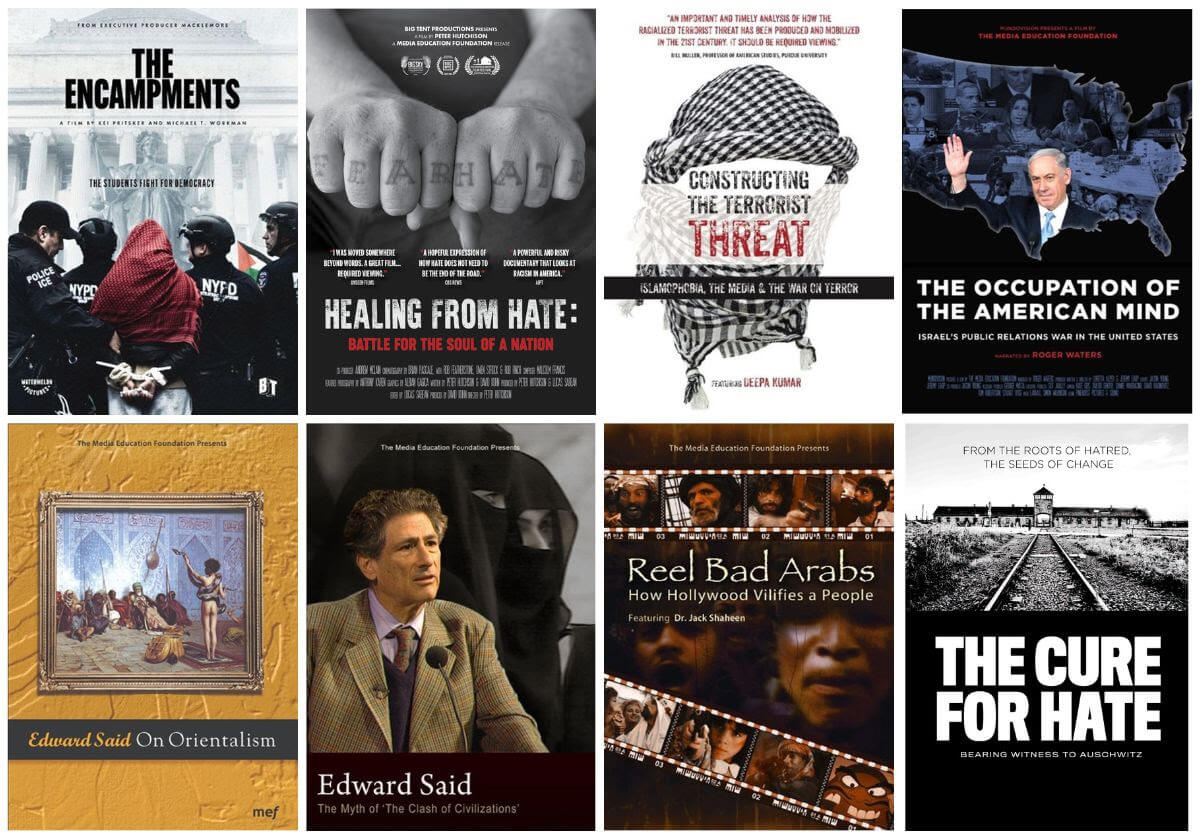
The eight MEF films below examine how anti-Muslim and anti-Arab fears have been manufactured and weaponized for decades to sell wars, divide Americans, suppress dissent, and obscure connections between Islamophobia, antisemitism, and other forms of hatred. From The Encampments, which documents the repression of Palestinian and Jewish students united in protest against Israel’s genocidal violence in Gaza, to Healing from Hate, which examines how white-supremacist violence is motivated by antisemitism and Islamophobia alike, these films give educators powerful tools to help students recognize the politics of fear, question the narratives behind these tactics, and understand whose interests they serve.
All of these films are available on our new streaming platform in multiple formats. They’re also available as part of MEF’s Premium Collection, which offers flexible subscription and permanent-access licensing options. To learn more about the Premium Collection, contact Stephen Belcourt at [email protected].
Featured MEF Films
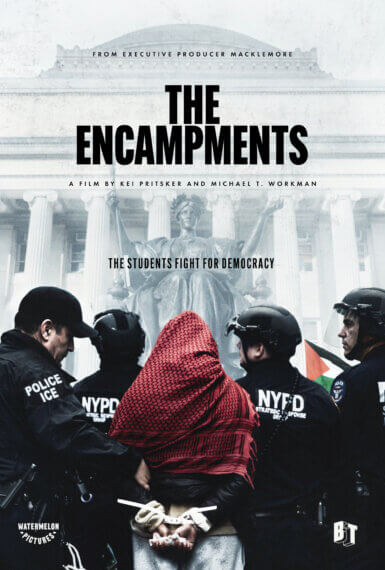
The Encampments (2025)
A timely, immersive account of the pro-Palestinian student movement and how media, politicians, and university officials portrayed demands for Palestinian freedom and divestment as extremism and threats to public safety.
LEARN MORE
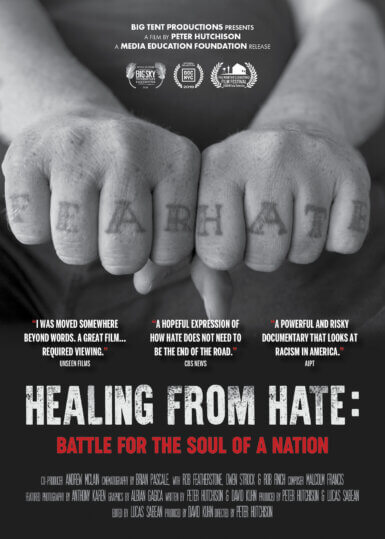
Healing from Hate (2020)
A deeply personal and inside look at former neo-Nazis and skinheads working to counter violent extremism, revealing how antisemitism, Islamophobia, and other forms of racial hatred spring from the same deep-seated fears and resentments.
LEARN MORE
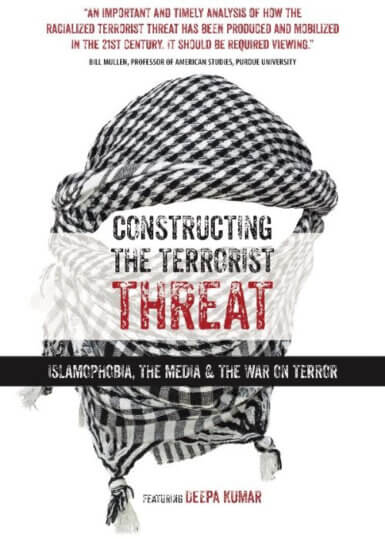
Constructing the Terrorist Threat (2017)
Media scholar Deepa Kumar shows how U.S. news and entertainment media have made Muslims the dominant face of terrorism since 9/11, fueling exaggerated fears to justify war, militarism, surveillance, and curbs on civil liberties.
LEARN MORE
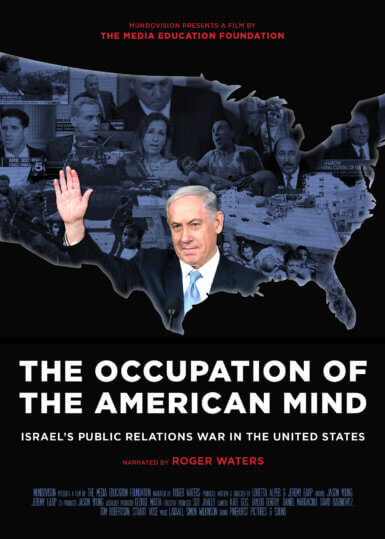
The Occupation of the American Mind (2016)
A powerful investigation of Israeli and U.S. public relations strategy, U.S. media complicity, and the campaign to win American public opinion while obscuring the realities of Israel’s brutal, decades-long occupation of Palestinian land.
LEARN MORE
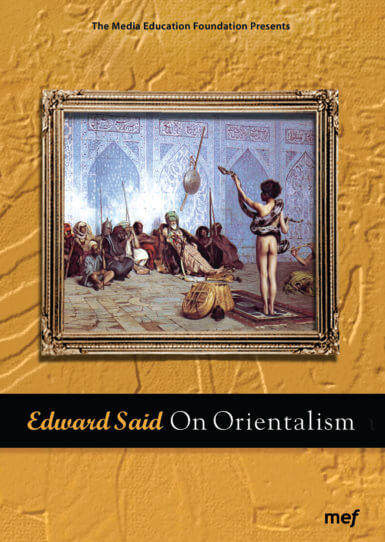
Edward Said: On Orientalism (1998)
Edward Said’s classic analysis of how Western representations of Arabs and Muslims have dehumanized entire peoples and helped justify domination, exclusion, and violence.
LEARN MORE
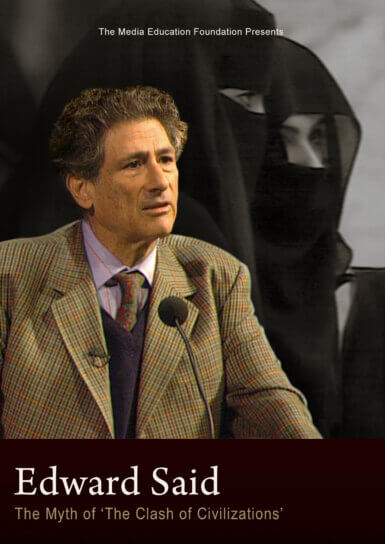
Edward Said: The Myth of the Clash of Civilizations (1998)
Edward Said dismantles the idea that global conflict is rooted in clashing “civilizations,” showing how sweeping cultural stereotypes about Arabs, Muslims, and the West have paved the way for confrontation, hostility, and war.
LEARN MORE
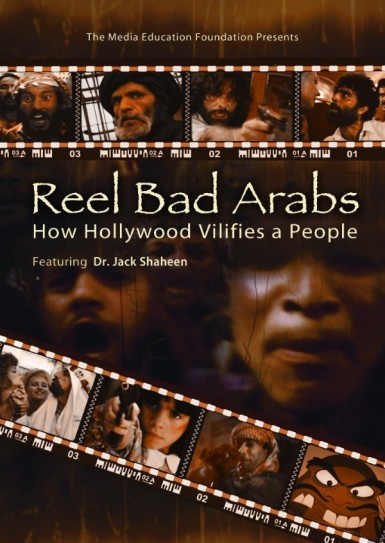
Reel Bad Arabs: How Hollywood Vilifies a People (2006)
Jack Shaheen’s landmark study of Hollywood’s long history of dehumanizing Arab and Muslim people, and how these images have helped prepare the ground for U.S. and Israeli wars in the Middle East.
LEARN MORE
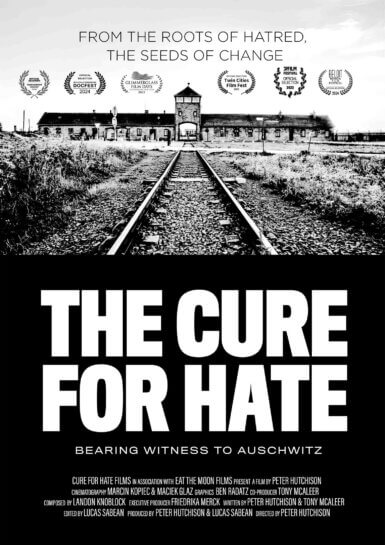
The Cure for Hate (2023)
Former neo-Nazi and Holocaust denier Tony McAleer travels to Auschwitz, where he confronts his antisemitic past and explores the roots of hatred, extremism, and the possibility of personal transformation.