What an iconic TV show reveals about women & power today
WHAT HOLLYWOOD IS LEARNING ABOUT SEX & POWER
Our Acclaimed Documentary Body Parts Explores the History Behind Today’s Reckoning
For millions of viewers, Sex & the City transformed the way television portrayed women’s friendships, relationships, and sexuality. More than twenty-five years later, one of its stars is asking audiences to look at some of its famous sex scenes in a very different light.
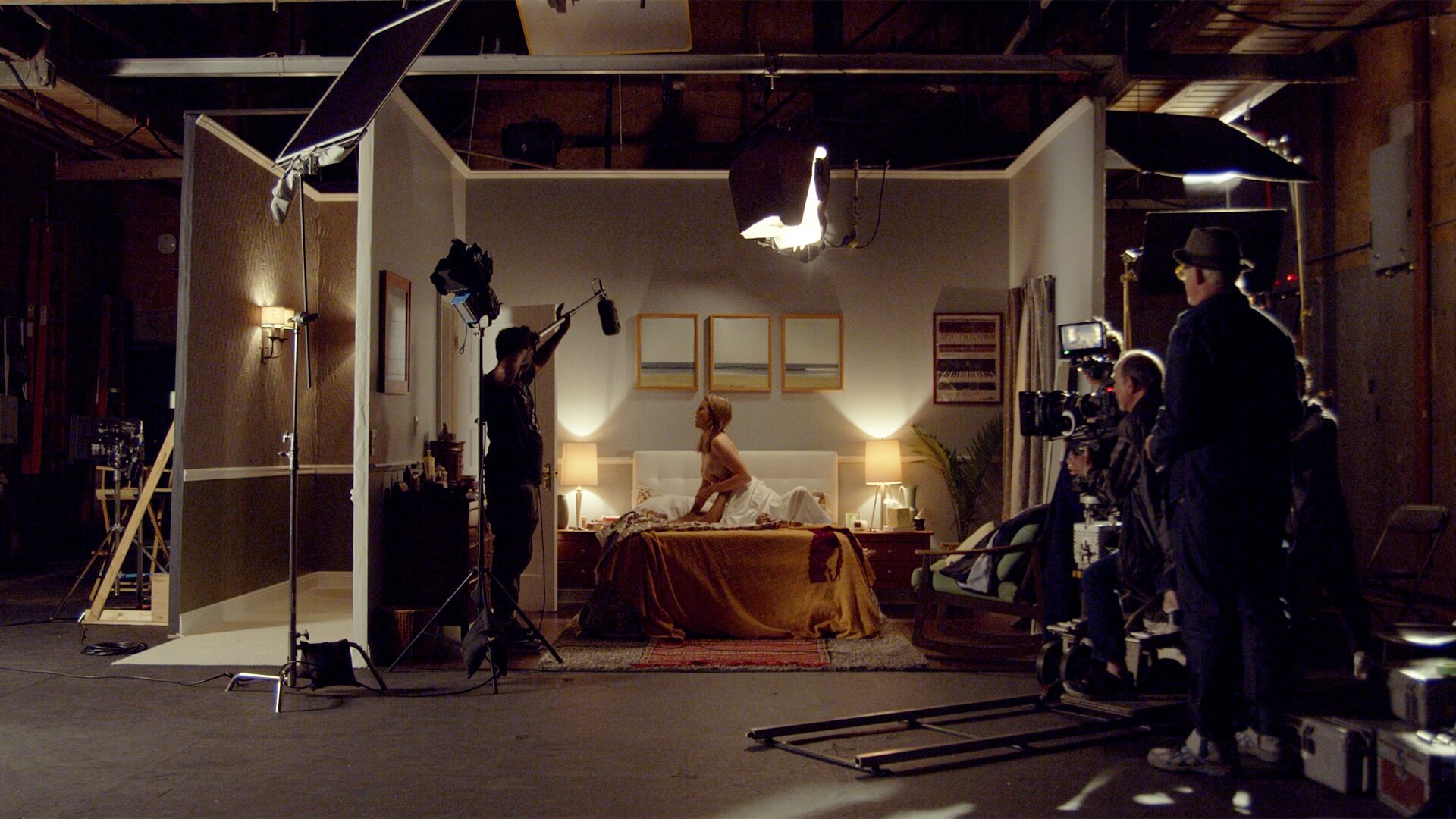
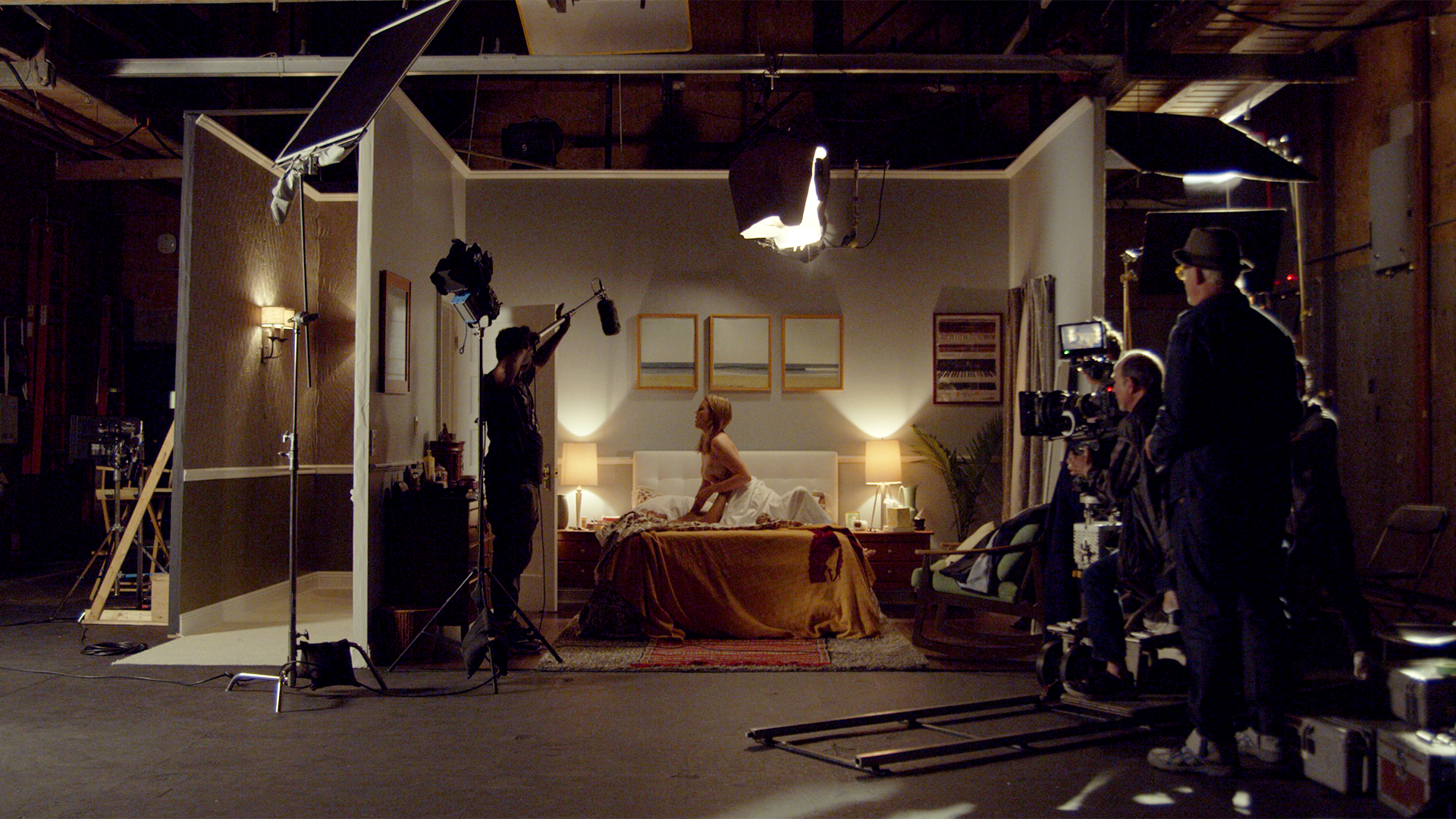
In a recent interview, Kristin Davis, who played Charlotte York, reflected on filming the show’s intimate scenes before “intimacy coordinators” existed. She said she felt “scared” and “did not feel protected,” and questioned whether some of the show’s sexual imagery had been crafted more for “the male gaze” than for women viewers.¹
Her account points to something much larger than the experience of one actor on one television series. It raises fundamental questions about who held power on set, whose comfort and consent mattered, and who ultimately controlled the images of women that appeared on screen.
These problems were precisely why intimacy coordinators rose to prominence in the wake of the #MeToo movement. Still unfamiliar to many viewers, they help performers and production teams establish clear boundaries, communication, and choreography around scenes involving sex and nudity.
For anyone wondering how we got here, and how all of this connects to larger questions of consent, agency, and power, our acclaimed documentary Body Parts offers an eye-opening place to start.
An Essential Classroom Film on Consent, Agency & Power
Body Parts, from filmmakers Kristy Guevara-Flanagan and Helen Hood Scheer, both university professors, traces the history and evolution of sex on screen from a woman’s perspective. Along the way, it exposes how Hollywood’s portrayals of desire and intimacy have long been shaped by unequal power and the dominance of the male gaze.
Blending film history with first-person testimony from Hollywood stars, showrunners, and industry insiders, including Jane Fonda, Rosanna Arquette, Joey Soloway, Rose McGowan, Karyn Kusama, Angela Robinson, Emily Meade, and David Simon, Body Parts pulls back the curtain on the pressures, compromises, and abuses behind some of Hollywood’s most iconic scenes. At the same time, it spotlights the actors and industry leaders who have pushed the industry toward reform.
Part film-history lesson, part industry exposé, and part primer in media literacy, Body Parts invites students to think critically about consent, agency, power, and the role media images play in shaping how we understand sexuality, gender, and intimacy. It also gives educators a compelling way to challenge the familiar idea that popular culture is “just entertainment,” showing how seemingly escapist stories can shape real-world attitudes, workplace practices, and struggles over whose voices, bodies, and desires matter.
Are you an educator or librarian? Click here to learn more about how to get Body Parts for your classes or collections.
Interested in booking a screening? Filmmakers Helen Hood Scheer and Kristy Guevara-Flanagan are available for virtual Q&As. They’re also available for in-person screenings in the Southern California area. Fill out this form for more information.
(1) “Kristin Davis Says She Used to ‘Run Home’ to Watch Rough Cuts of Early Sex and the City Episodes on VHS,” by Virginia Chamlee, People magazine, July 7, 2026.

PRAISE FOR BODY PARTS
“Body Parts serves as a crash course on Hollywood cinema’s often troubling representations of female bodies, desire, and agency … Though its initial draw for some audience members may be frequent appearances by women actors such as Alexandra Billings, Jane Fonda, and Rose McGowan, it also features the perspectives and expertise of a broad array of women working in film production. … A fantastic primer for those interested in a Hollywood history of sex and women’s agency on screen … It possesses great pedagogical potential.”
— Video Librarian
“Astonishing … What makes [Body Parts] so remarkable is its steadfastly non-puritanical approach.”
— The Guardian
“Clever and damning … [a] sweeping yet focused analysis that exposes the truth about the power of images to shape the world’s views of women.”
— Indiewire
“Reveals the seedy truth behind the production of sex scenes in American film and television, the toll such scenes have taken on those involved, and their lasting impact on real-world women and girls.”— Vogue