Jackson Katz on CBS Mornings: What It Takes to Prevent Sexual Violence
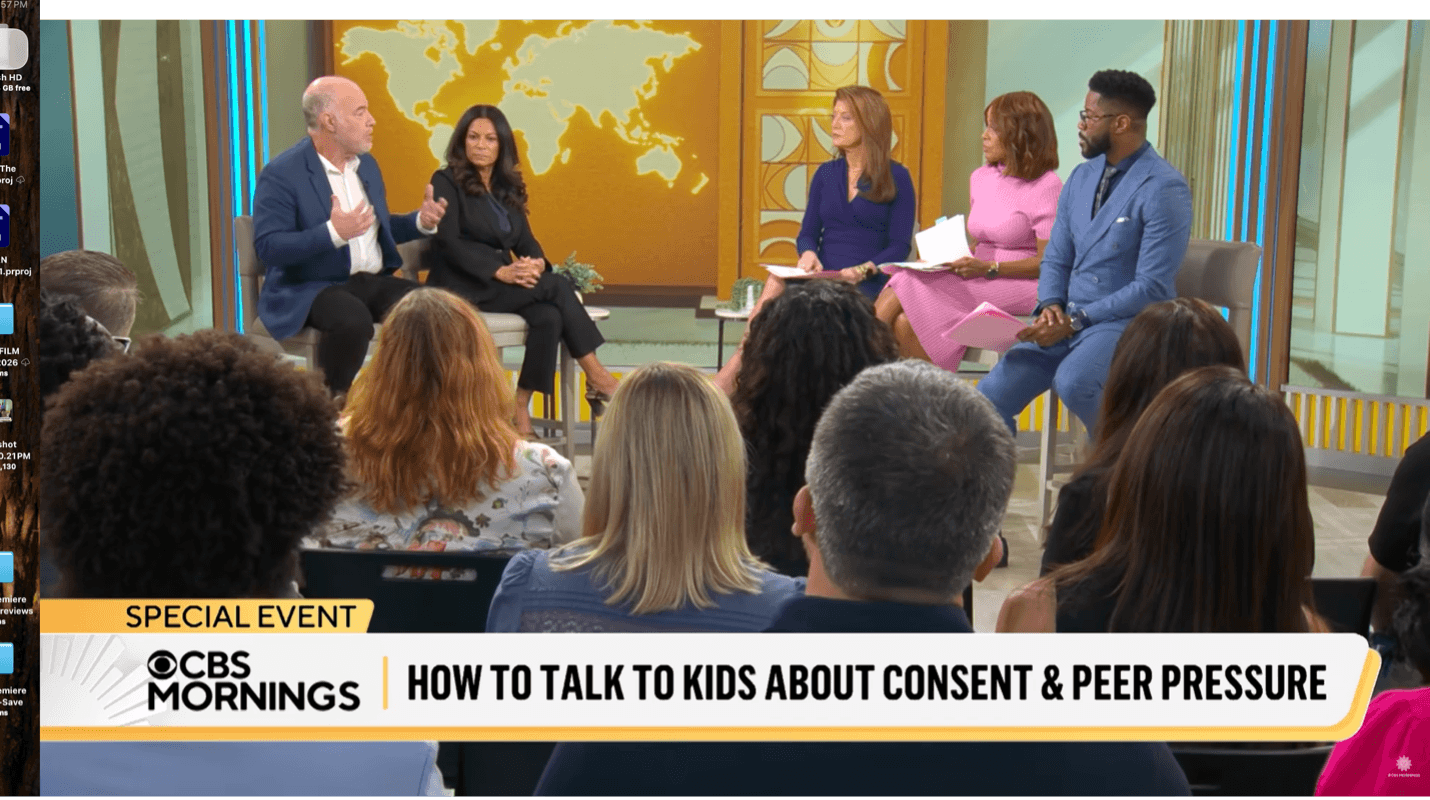
Screenshot: Jackson Katz discusses the Cornell sexual assault case on CBS Mornings on Oct. 6.

JACKSON KATZ ON CBS MORNINGS
The Cornell case sparks a broader national conversation about bystander silence, men’s leadership, and prevention.
On October 6, longtime MEF collaborator Jackson Katz, a global leader in the gender violence prevention field, joined CBS Mornings hosts Norah O’Donnell, Gayle King, and Nate Burleson for a wide-ranging conversation about the Cornell sexual assault case and the larger questions it’s raised about consent, male peer cultures, bystander intervention, institutional responsibility, and prevention.
The discussion, which also featured clinical psychologist Cheryl Ziegler and questions from a live studio audience of parents, has clearly struck a nerve. In the days since it aired, the segment has already been viewed more than 43,000 times and generated hundreds of comments on YouTube alone. You can watch the full conversation here.
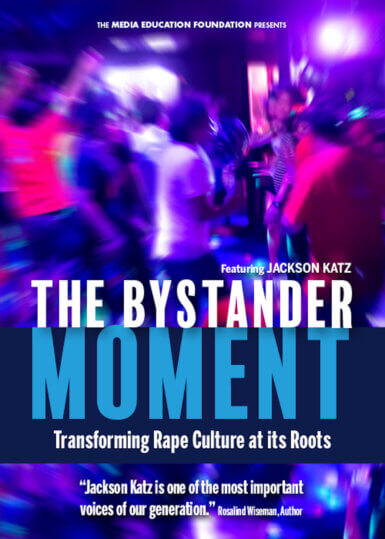
If you’re interested in digging deeper into the insights Katz shared on CBS Mornings, our bestselling film The Bystander Moment: Transforming Rape Culture at Its Roots, made in collaboration with Katz, offers a sustained exploration of his pioneering work on bystander intervention and gender violence prevention.
EXPLORE THE FILM
Drawing on Katz’s decades of experience, particularly his work with young men, The Bystander Moment widens the lens beyond individual perpetrators and victims to examine the cultural forces that help cultivate and sustain gender violence, including male peer cultures, silence, social media and pornography, dominant ideas about masculinity, and the failure of institutions to make meaningful prevention a priority. Just as importantly, it reframes gender violence prevention as a leadership issue, giving students a practical framework for recognizing and challenging the ideas, attitudes, behaviors, and group dynamics that normalize abuse before violence occurs.
Find out how to get The Bystander Moment for your classes or library collection, download our free Discussion Guide, or learn how to host a campus screening.
JACKSON KATZ IN HIS OWN WORDS
Excerpts from his Oct. 6 appearance on CBS Mornings
On the critical role of bystanders
“This is part of what I teach. The bystander approach is about what can friends, colleagues, teammates, fraternity brothers or sorority sisters do when they see their friends doing something that might be wrong. And I think one of the reasons why this [Cornell] story has become such a big story, even globally, is because of these 50 young men who didn’t do anything. It’s not just about individual failure. This is a structural, cultural problem. Not just boys, but adult men see things around them that are wrong and they don’t say anything, in part because they’re worried about how other men are going to perceive them. We need to say that the young man who speaks up — who says, ‘We got to get out of here. This is not cool, — we need to say that’s a young man with integrity and leadership skills, not a soft man. … That’s not evidencing weakness. That’s strength.”
On consent — and the importance of adult men in these conversations
“Well, when it comes to young men, if it’s a gray area, the default should be to stop. In other words, if you don’t have affirmative consent, the message is stop. I don’t think that’s very complicated. And I think we need to send that message, especially fathers and other adult men in the lives of young boys and girls and young men and women. I think a lot of men have outsourced this conversation to women, to mothers. I appreciate mothers have an incredibly important role, obviously, but where are the fathers and where are the adult men? In the world that young men inhabit and young boys inhabit — the manosphere, the porn culture — the absence of really thoughtful conversation with adult men who care about them and who actually can teach these messages is part of the conversation that I think we need to be having.”
On the need for adult men to lean into their discomfort
“I know that a lot of parents are reticent and are feeling awkward about some of these conversations. And I appreciate that. I’m a parent of a son as well. But I think it’s important that you have the conversations. The kids will respect it and appreciate it, even if you’re feeling awkward. A lot of men feel really uncomfortable with this subject matter. I’ve talked to lots of women and moms and who say my husband is a good man, but he’s not really comfortable around this subject. I would say, men, you need to lean into the discomfort because what we’re doing now is not working. We need more from men on this question and not just always put it on women.”
On institutional failure —and why prevention has to be built into education
“I think there’s been institutional failure on this. It shouldn’t just be individual parents. This should be built into normative educational practice, K through 12 at age-appropriate levels, and colleges and universities. Where are the adult educators who are creating the spaces for dialogue, especially in this case with young men, so they have the opportunity to talk to each other, to hear from each other, to hear from women and girls? There’s obviously missed opportunities all over the place. We can do so much better.”
On the need to teach — and model — courage
“Courage has to be taught, but it also has to be modeled. So, I think what young boys and young men need to see is adult men challenging other adult men, not just providing leadership down the road. Because courage is also infectious. Boys can either sink to our expectations or they can rise to our expectations. And I think we need to raise our expectations for the behavior of boys and young men, and adult men, around treating women with respect and dignity. We live in a culture with incredible levels of sexual violence by men, against women, against other men. Isn’t it time that more adult men start taking some risks and providing some of that courage and some of the modeling of that behavior that we’re expecting young men to evidence?”